Journal · 7 minute read
Warm, Humid, Clean: A Winter Playbook for Indoor Air
What winter actually does to a room
Cold months change indoor air three ways at once. Windows close, so everything generated inside, cooking aerosols, dust, dander, stays inside longer. Heating runs, so relative humidity drops and throats, skin and wooden furniture all notice. And people spend more hours in the sealed result. The fix is not one machine; it is three small habits, and as the brand behind all three kinds of machine we will be honest about what each one does and does not do.
Heat without the dry rasp
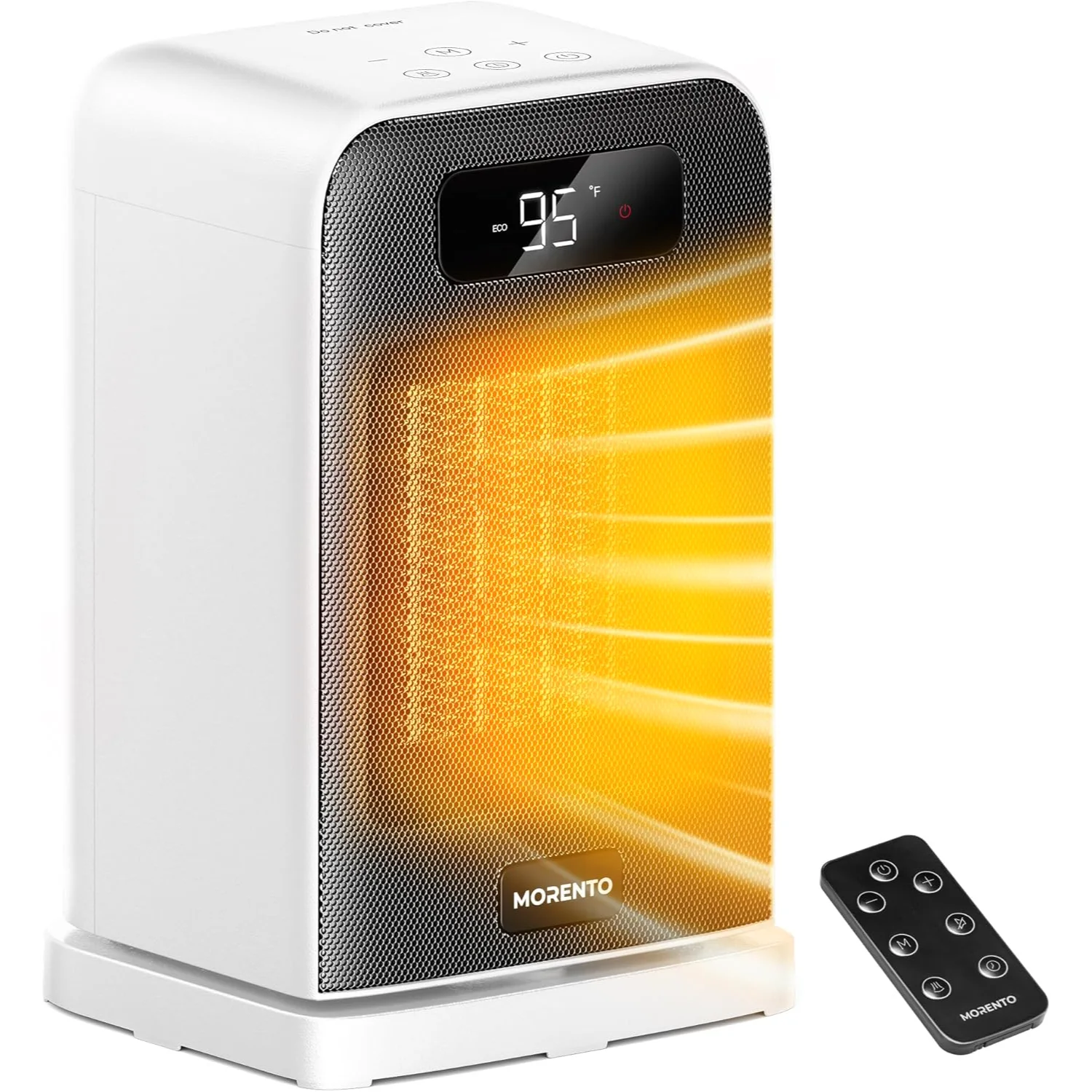
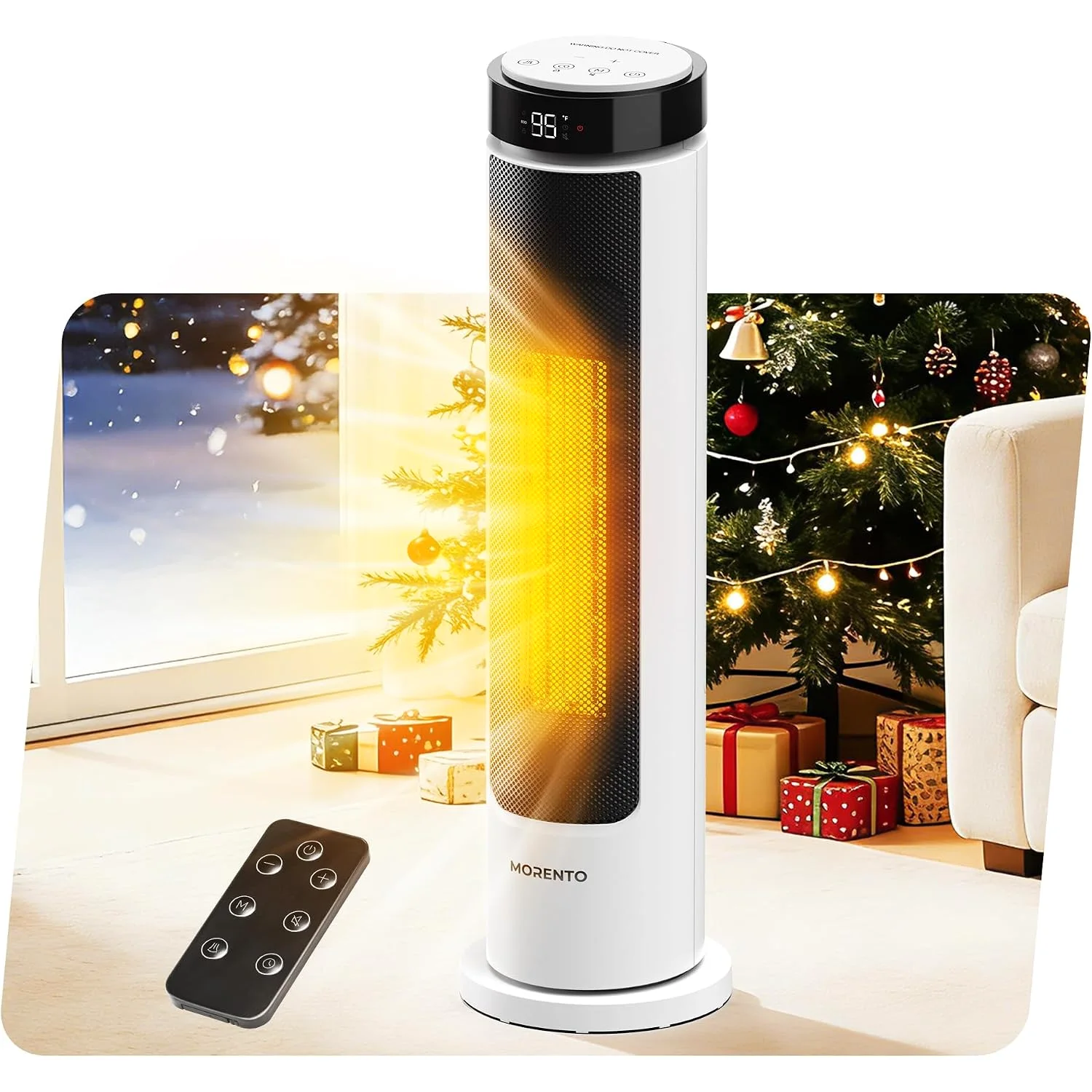
Ceramic PTC heaters like our Portable ECO and the 24 inch tower do not burn anything and do not add combustion moisture or fumes; they simply warm the air that passes through. That makes them clean, and also means they accelerate the dryness every heater causes: warmer air holds more water, so the same room reads lower relative humidity.
Run them like a thermostat, not a torch. ECO modes on our heaters pause the element at the target temperature and resume when the room cools, which keeps both the electricity bill and the dryness in check. And one safety habit worth repeating from every manual in the box: a heater gets its own wall socket, never a power strip, and its tip-over and overheat protections are backstops, not a substitute for clear space around the outlet.
Humidity is a number, not a feeling
The comfortable band for most homes sits around 40 to 60 percent relative humidity. Below it, static and scratchy throats; above it, condensation and the damp that mould loves. Our 4.5L humidifier carries a humidistat for exactly this reason: set the target between 40 and 80 percent and it measures, mists and pauses on its own instead of running blind.
Two maintenance notes keep the mist healthy. Refill with clean water and rinse the tank regularly. If your tap water is hard, use filtration: the MR6w filter kit exists because minerals in hard water otherwise leave the machine as fine white dust on furniture.
Clean air with the windows shut
On air cleaning we defer to two sources we keep returning to. The US EPA's guide to home air cleaners, which we read in its current edition on 7 August 2026, is direct: filtration helps, and no air cleaner or filter will eliminate all of the air pollutants in a home. The Asthma and Allergy Foundation of America, whose indoor allergen guidance we read the same day, is even more pointed about priorities: air cleaners might help, but removing the source of the allergen comes first, and for dust mites specifically, encasing mattresses works better than air cleaners.
We sell purifiers and we agree with both. Wash bedding hot, encase the mattress if dust mites are your trigger, keep the vacuum honest, and then let a purifier do what it is actually good at: continuously stripping the particles that remain airborne. Winter is the season our purifier shelf earns its place, precisely because ventilation is rationed. A bedside MR2566 at 22 dB runs all night next to a sleeper; the MR7566-WF watches PM2.5 for the whole floor and speeds up on its own when the kitchen or the fireplace sends a plume over.
Heating season safety, said plainly
Every heater we list carries the same engineering answers to the same winter risks: a V0 grade flame retardant body that resists ignition, a tip-over switch that cuts power the moment the unit leaves its feet, overheat protection that steps in before the element can cook itself, and a 24 hour automatic shutdown for the day nobody remembers turning it on. The AT-SH26 adds an anti scald metal guard over the outlet, and the whole shelf has passed UL testing.
Engineering does not replace habits, so here are ours, repeated from the manuals. A heater plugs into a wall socket, alone: power strips and extension leads are the one accessory the product pages will never recommend, because a 1500 watt draw is a full socket's job. The area in front of the outlet stays clear of fabric and paper. Timers do the remembering: a 12 hour timer that shuts the bedroom heater down after midnight is worth more than the best intentions. And thermostats are aimed at comfort, not maximum: an ECO mode holding 68 degrees cycles gently all evening, costs less, and never turns the room into the dry rasp the previous section warned about.
The winter rhythm, in one table
| Habit | Cadence | Machine |
|---|---|---|
| Heat to a target, not to maximum | Daily, via ECO or thermostat | Any MORENTO heater |
| Hold 40 to 60% humidity | Humidistat does it hourly | 4.5L humidifier |
| Run purifier sleep mode at night | Nightly | Bedroom purifier |
| Change humidifier water filter | Every 2 to 3 months | Filter kit |
| Change purifier core at the light | About twice a year | Genuine core |
The cadence column is the part worth pinning somewhere visible. Nothing in it takes ten minutes, and every line is backstopped by the machine itself: the humidistat holds its band, the filter light counts its hours, the heater timer runs out on schedule. What the calendar adds is the human half of the loop, the water filter that gets ordered before the mist turns dusty and the core that gets swapped before allergy season rather than during it.
None of it is heroic. Winter air care is five small habits on a calendar, and the MORENTO climate range is built so each habit has one obvious tool.